Careful Surgical Care From Exam to Recovery
At United Veterinary Center, our experienced veterinarians perform surgery in Norwalk, CT , from routine spays and neuters to orthopedic procedures such as cruciate ligament repair. Every patient gets a pre-surgical exam, bloodwork as needed, pain control before and after the procedure, and close anesthetic monitoring. Our goal is a safe procedure and a smooth recovery at home.
Book OnlineSurgical Services for Dogs, Cats and Small Pets
Surgery can feel overwhelming when it’s your pet on the table. Our team plans every procedure carefully, explains each step and keeps you updated from drop-off to discharge. We operate on patients seen through our dog care and cat care services. We also evaluate surgical needs for patients seen through our avian and exotic animal and pocket pet services.
Procedures We Perform
- Spay and neuter: Routine spay and neuter surgery helps prevent unwanted litters and lowers the risk of certain cancers and behavior problems.
- Orthopedic surgery: Procedures for joint and bone problems, including repair of cruciate ligament tears, a common cause of sudden hind-leg lameness in dogs.
- Soft tissue surgery: Procedures involving the skin, abdomen and internal organs, such as lump and mass removals and wound repair.
- Dental surgery: Extractions and oral procedures performed with our dental care services to treat pet dental disease.
Thorough Evaluation Before Surgery
Every patient has a physical exam before anesthesia. When needed, we run pre-operative bloodwork through our laboratory services to check organ function and spot hidden concerns. We may also use digital X-rays or ultrasound to plan the procedure. Because our onsite diagnostics are in-house, results come back quickly and treatment decisions aren’t delayed.
Anesthetic Monitoring and Pain Management
While your pet is under anesthesia, our team watches them continuously. We use EKG monitoring, blood pressure monitoring and pulse oximetry to track heart rhythm, circulation and oxygen levels throughout the procedure. Every patient also gets pain medication before and after surgery to stay as comfortable as possible.
Recovery and Aftercare
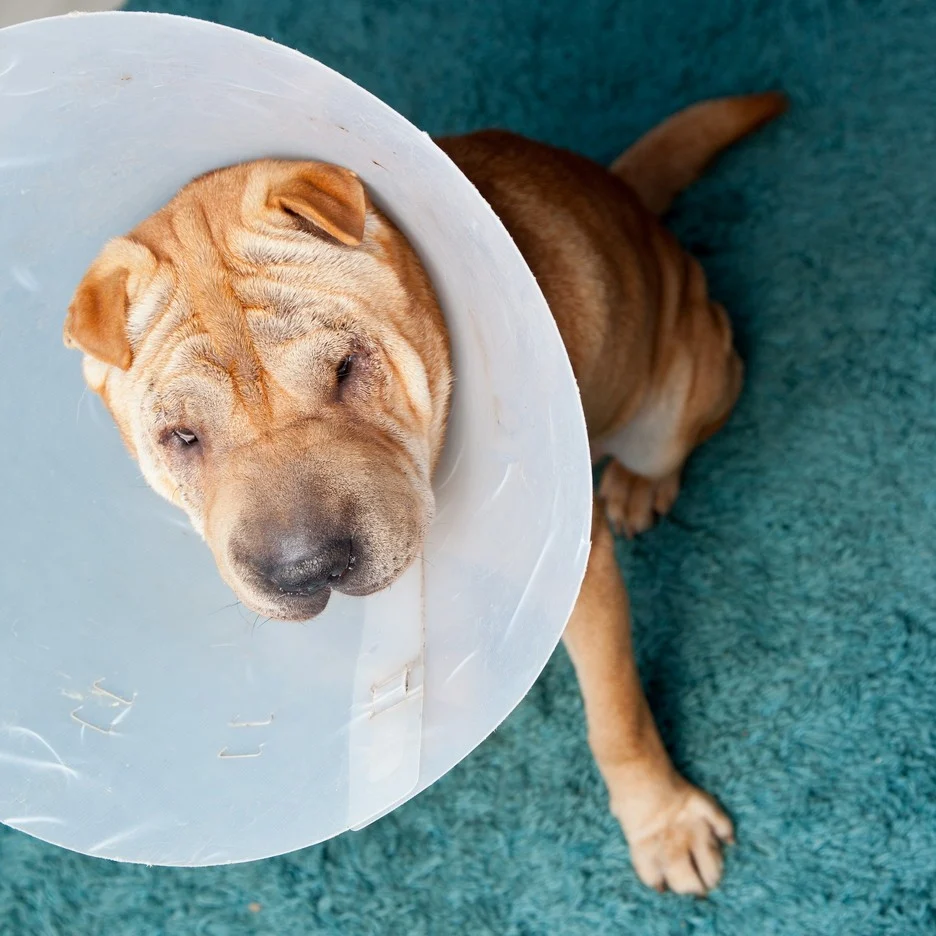
After surgery, we monitor your pet closely as they wake from anesthesia. Before your pet goes home, we review clear discharge instructions with you. These cover medications, incision care, activity limits and follow-up visits.
For orthopedic patients, recovery often includes long-term joint care, managing arthritis and keeping weight in check, since pet obesity adds strain to healing joints. If your pet is having a spay or neuter, many owners also choose to add microchipping during the same anesthesia.
Regular wellness exams help us find problems early, often before they need surgery. Flexible payment options are available through Cherry financing. If you’re new to our practice, visit our new clients page to get started.
Pet Surgery FAQs
Is anesthesia safe for my pet?
Anesthesia always carries some risk, but careful preparation reduces it significantly. Every patient has an exam before surgery and pre-operative bloodwork as needed. During the procedure, our team monitors EKG, blood pressure and oxygen levels continuously.
How should I prepare my pet for surgery?
We will give you specific instructions before your pet’s procedure. These usually include withholding food the night before surgery. Let us know about any medications or supplements your pet takes so we can advise you on whether to give them that morning.
Will my pet be in pain after surgery?
We give pain medication before and after every procedure to keep your pet comfortable. Most pets also go home with pain medication. We’ll explain exactly how and when to give it.
How long does recovery take?
Recovery depends on the procedure. Many pets recover from routine surgeries like spays and neuters within about two weeks. Orthopedic surgeries, such as cruciate ligament repair, need a longer recovery with restricted activity. We’ll give you a recovery plan specific to your pet.
Do you perform cruciate ligament surgery?
Yes. Our veterinary surgeons perform cruciate ligament repairs and other orthopedic surgeries. If your dog is limping or avoiding putting weight on a back leg, schedule an exam so we can evaluate the knee.
Does my pet need bloodwork before surgery?
Pre-operative bloodwork helps us check organ function and catch hidden health issues that could affect anesthesia. We recommend it based on your pet’s age, health history and the type of procedure.
What should I watch for at home after surgery?
Check the incision daily for redness, swelling, discharge or opening. Keep your pet from licking the area and limit activity as directed. Call us if your pet won’t eat, seems lethargic, is vomiting or shows signs of pain.
Talk With Our Team About Your Pet’s Procedure
Whether your pet needs a routine spay or neuter or a more advanced orthopedic repair, we’re here to guide you through every step. Call United Veterinary Center at (203) 957-3375 or request an appointment online to schedule a surgical consultation in Norwalk, CT .