
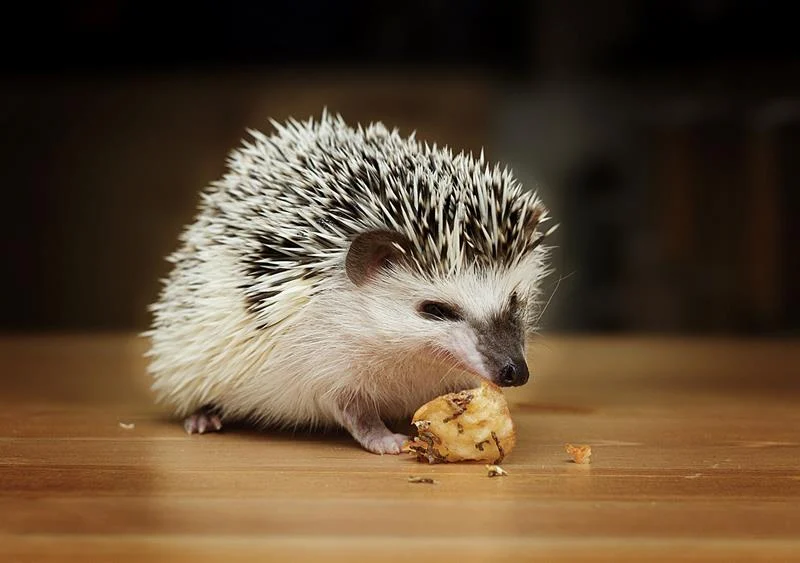
Small Companions Deserve Specialized Care
Not all pets are furry giants or four-legged walkers. Some fit in the palm of your hand. At United Veterinary Center in Norwalk, CT , our team has the experience and training to care for rabbits, guinea pigs, hamsters, gerbils, rats, mice, chinchillas, ferrets, hedgehogs and other pocket pets. Small mammals hide illness well and can decline quickly, so routine exams and prompt attention to changes in behavior make a real difference in their health and lifespan.
Book OnlineWhy Pocket Pets Need a Veterinarian Who Knows Them
Pocket pets are prey animals, which means they instinctively mask pain and illness. By the time a rabbit stops eating or a guinea pig looks hunched and quiet, a problem may already be well advanced. Their small size also means dehydration, infection and digestive slowdowns can become serious within hours rather than days. Our veterinarians understand the anatomy, behavior and medical needs of these species, and we handle each patient gently to keep stress to a minimum. Pocket pet care is part of our broader avian and exotic animal hospital services, so birds and reptiles in your household can be seen by the same team.
Pocket Pet Services We Provide
We offer complete medical care for small mammals, from first visits to advanced treatment. Our pocket pet services include:
- Comprehensive wellness exams with weight checks and body condition scoring
- Nutrition and habitat consultations tailored to each species
- Dental exams and tooth trims for rabbits, guinea pigs and chinchillas through our dental care service
- Bloodwork, fecal and urine testing in our in-house laboratory
- Imaging with advanced digital X-rays and ultrasound
- Spay and neuter procedures for rabbits, ferrets and other small mammals
- Soft tissue surgery, including mass removals and abscess treatment
- Parasite checks and preventative care plans
- Ferret vaccinations and microchipping for larger small mammals
Common Health Problems in Small Mammals
Many of the conditions we see in pocket pets are tied to diet, housing or the way their teeth grow. Rabbits, guinea pigs and chinchillas have teeth that grow continuously, and without enough hay to wear them down they can develop overgrown molars and painful spurs. Learn more about related issues on our pet dental disease page. Other common problems include:
- Gastrointestinal stasis in rabbits and guinea pigs, a slowdown of the gut that needs urgent care
- Vitamin C deficiency in guinea pigs, which cannot make their own vitamin C
- Respiratory infections, especially in pet rats and mice
- Skin mites, fur loss and fungal infections
- Adrenal disease and insulinoma in middle-aged and older ferrets
- Tumors and lumps, which are common in older rats and hamsters
- Weight gain from pellet-heavy or treat-heavy diets, a concern covered on our pet obesity page
When something seems off, our onsite diagnostics help us find answers quickly so treatment can begin the same day whenever possible.
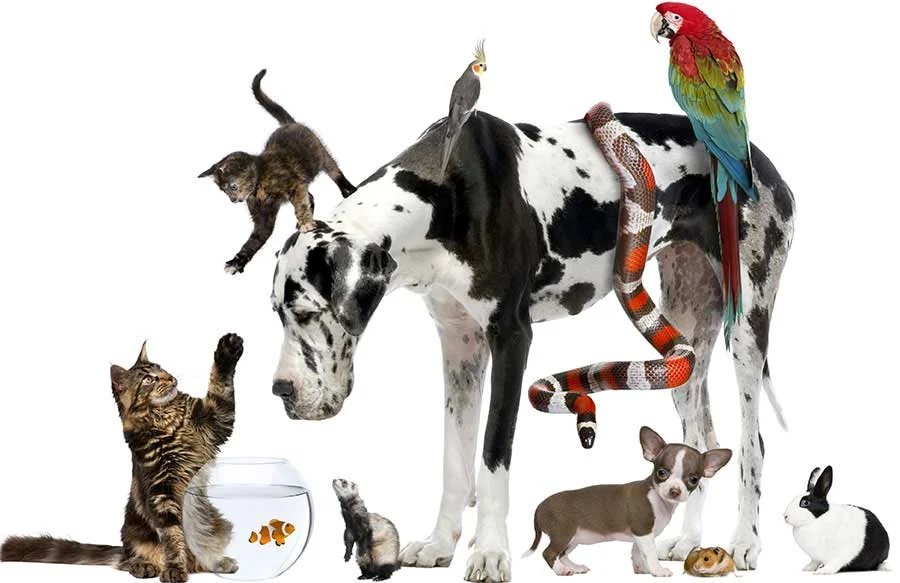
Nutrition and Habitat Are the Foundation of Good Health
Caring for a pocket pet can be very different from caring for a dog or cat, and most health problems we treat start at home. Unlimited grass hay, fresh leafy greens and a measured amount of quality pellets keep a rabbit’s or guinea pig’s teeth and digestion working properly. Hamsters, rats and ferrets each have their own dietary needs. Enclosure size, bedding, temperature, ventilation and enrichment matter just as much. During every visit we review your pet’s diet and setup and give practical advice you can use right away. If you are bringing a small pet to us for the first time, our new clients page explains what to expect.
Pocket Pet Care Questions
What animals count as pocket pets?
Pocket pets are small mammals kept as companions. At United Veterinary Center we see rabbits, guinea pigs, hamsters, gerbils, rats, mice, chinchillas, ferrets, hedgehogs and similar species.
How often should my pocket pet see a veterinarian?
Most small mammals should have a wellness exam at least once a year. Older pets and species with short lifespans, such as rats and hamsters, benefit from exams every six months so changes are caught early.
What signs mean my small pet needs to be seen right away?
Call us promptly if your pet stops eating, produces fewer or smaller droppings, breathes with effort, has discharge from the eyes or nose, sits hunched, drools or seems weak. Small mammals can decline quickly, so waiting even a day can be risky.
Do rabbits and guinea pigs need dental care?
Yes. Their teeth grow throughout life, and overgrown teeth can cause pain, drooling and weight loss. We check teeth at every exam and can trim or treat overgrown teeth when needed.
Should I spay or neuter my rabbit or ferret?
In most cases, yes. Spaying female rabbits greatly lowers their risk of uterine cancer, and spaying or neutering rabbits and ferrets can reduce marking, aggression and other hormone-related health problems. We will discuss timing and anesthesia safety with you.
How should I bring my pocket pet to the appointment?
Use a secure, well-ventilated carrier with familiar bedding and a little of their usual food or hay. Bring a photo of the enclosure and a list of what your pet eats so we can review their care with you.
Can you see my bird or reptile at the same visit?
Yes. Our team also cares for birds and reptiles, so you can schedule exams for several exotic pets with one call to (203) 957-3375.
Give Your Small Pet the Expert Attention It Needs
Whether you have a new hamster, a senior rabbit or a playful ferret, our team is here to help them live a long, comfortable life. Call (203) 957-3375 or request an appointment online, and explore our full list of veterinary services or our frequently asked questions to learn more.