
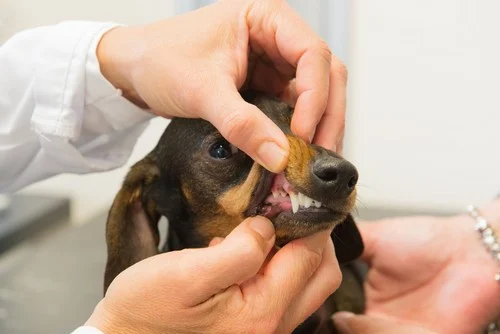
A Healthy Mouth Means a More Comfortable, Longer Life
Dental disease is one of the most common health problems we see in dogs and cats, and it often goes unnoticed until it causes real pain. At United Veterinary Center in Norwalk, CT , our veterinary team finds and treats periodontal disease early, before tartar, infection and tooth loss affect your pet’s comfort, appetite and overall health.
Book OnlineWhat Is Pet Dental Disease?
Pet dental disease, also called periodontal disease, starts when plaque builds up on the teeth. Within days, that plaque hardens into tartar that sits along and under the gumline. Bacteria trapped there irritate the gums, causing inflammation known as gingivitis. Left alone, the infection moves deeper, damaging the ligaments and bone that hold each tooth in place. The result is pain, loose teeth, abscesses and eventually tooth loss.
Most dogs and cats show some sign of dental disease by the age of three. Because pets instinctively hide pain, many keep eating even when their mouths hurt. That is why a dental check is part of every one of our wellness exams.
Signs Your Pet May Have Dental Disease
Watch for these common warning signs at home:
- Persistent bad breath
- Yellow or brown tartar on the teeth
- Red, swollen or bleeding gums
- Drooling, sometimes with blood in the saliva
- Chewing on one side of the mouth or dropping food
- Pawing at the face or rubbing the muzzle on the floor
- Loose, broken or missing teeth
- Reduced appetite, weight loss or reluctance to eat hard food
- Swelling below the eye, which can signal a tooth root abscess
Why Dental Disease Affects More Than the Mouth
The bacteria living in an infected mouth can enter the bloodstream and travel through the body. Over time, chronic oral infection is linked to strain on the heart, liver and kidneys. Pets already managing kidney disease or diabetes can be especially affected, since ongoing infection makes these conditions harder to control. Treating the mouth is often an important part of keeping the whole body healthy.
How We Diagnose Dental Disease
Much of dental disease hides below the gumline, where it can’t be seen during an awake exam. When we perform a dental procedure, your pet is placed under carefully monitored anesthesia so we can probe each tooth, chart pockets and damage, and take full-mouth digital dental x-rays. These images reveal root infections, bone loss and resorptive lesions that would otherwise be missed.
Before anesthesia, we run pre-anesthetic bloodwork through our in-house laboratory services to confirm your pet’s organs can safely handle the procedure. Our onsite diagnostics mean results are ready quickly, so treatment isn’t delayed.
Treatment Options
Treatment depends on how far the disease has progressed. Our pet dental care services include:
- Professional scaling to remove plaque and tartar above and below the gumline
- Polishing to smooth the tooth surface and slow future plaque buildup
- Treatment of infected gum pockets
- Extraction of severely damaged, loose or painful teeth
- Pain management and antibiotics when needed
When extractions or oral repairs are required, they are performed by our experienced team with the same anesthesia monitoring and pain control we use for all veterinary surgery. Most pets go home the same day and feel noticeably better once the source of pain is gone.
Dental Disease in Dogs, Cats and Small Pets
Small and toy breed dogs are especially prone to crowded teeth and early tartar buildup, so they often need dental cleanings more frequently. Learn more about our complete dog care. Cats commonly develop painful tooth resorption and gum inflammation, which our cat care team checks for at every visit. Rabbits, guinea pigs and other rodents have continuously growing teeth that can overgrow and cut into the cheeks or tongue, so we also provide dental checks for pocket pets and exotic animals.
Preventing Dental Disease at Home
Good dental health is a partnership between you and our team. Daily tooth brushing with a pet-safe toothpaste is the single most effective habit you can build. Dental chews, water additives and dental diets can also help. Combined with routine professional cleanings and preventative care, these steps can keep your pet’s mouth comfortable for years. Keeping your pet at a healthy weight helps too, since pet obesity adds stress to the body during anesthesia and recovery.
If you’re concerned about cost, ask about flexible financing through Cherry. You can also explore other conditions we treat at our Norwalk hospital.
Pet Dental Disease FAQs
How often should my pet have a professional dental cleaning?
Most dogs and cats benefit from a professional cleaning about once a year, though small breed dogs and pets with existing gum disease may need cleanings more often. We’ll recommend a schedule based on your pet’s dental exam.
Is anesthesia necessary for a pet dental cleaning?
Yes. Anesthesia allows us to clean below the gumline, take dental x-rays and examine every tooth safely and without stress or pain for your pet. Pre-anesthetic bloodwork and continuous monitoring help keep the procedure as safe as possible.
Is bad breath in pets normal?
No. Persistent bad breath is one of the earliest signs of dental disease and usually means bacteria and tartar are building up. It’s a good reason to schedule a dental exam.
Can dental disease make my pet sick in other ways?
Yes. Bacteria from an infected mouth can enter the bloodstream and are linked to problems with the heart, liver and kidneys. Treating dental disease supports your pet’s overall health.
Will my pet be able to eat after having teeth removed?
Most pets eat very well after extractions, often better than before, because the painful teeth are gone. We may recommend soft food for a short time while the gums heal.
Do cats get dental disease as often as dogs?
Cats are just as likely to develop dental disease, and many also develop tooth resorption, a painful condition where the tooth structure breaks down. Because cats hide pain well, regular dental checks are especially important.
What can I do at home to prevent dental disease?
Daily brushing with pet-safe toothpaste is the most effective step. Dental chews, dental diets and water additives can also help slow plaque buildup between professional cleanings.
Give Your Pet a Pain-Free Smile
If you’ve noticed bad breath, tartar or changes in how your pet eats, don’t wait for the problem to get worse. Call United Veterinary Center at (203) 957-3375 or request an appointment online, and our team will check your pet’s teeth and recommend the right next step.