
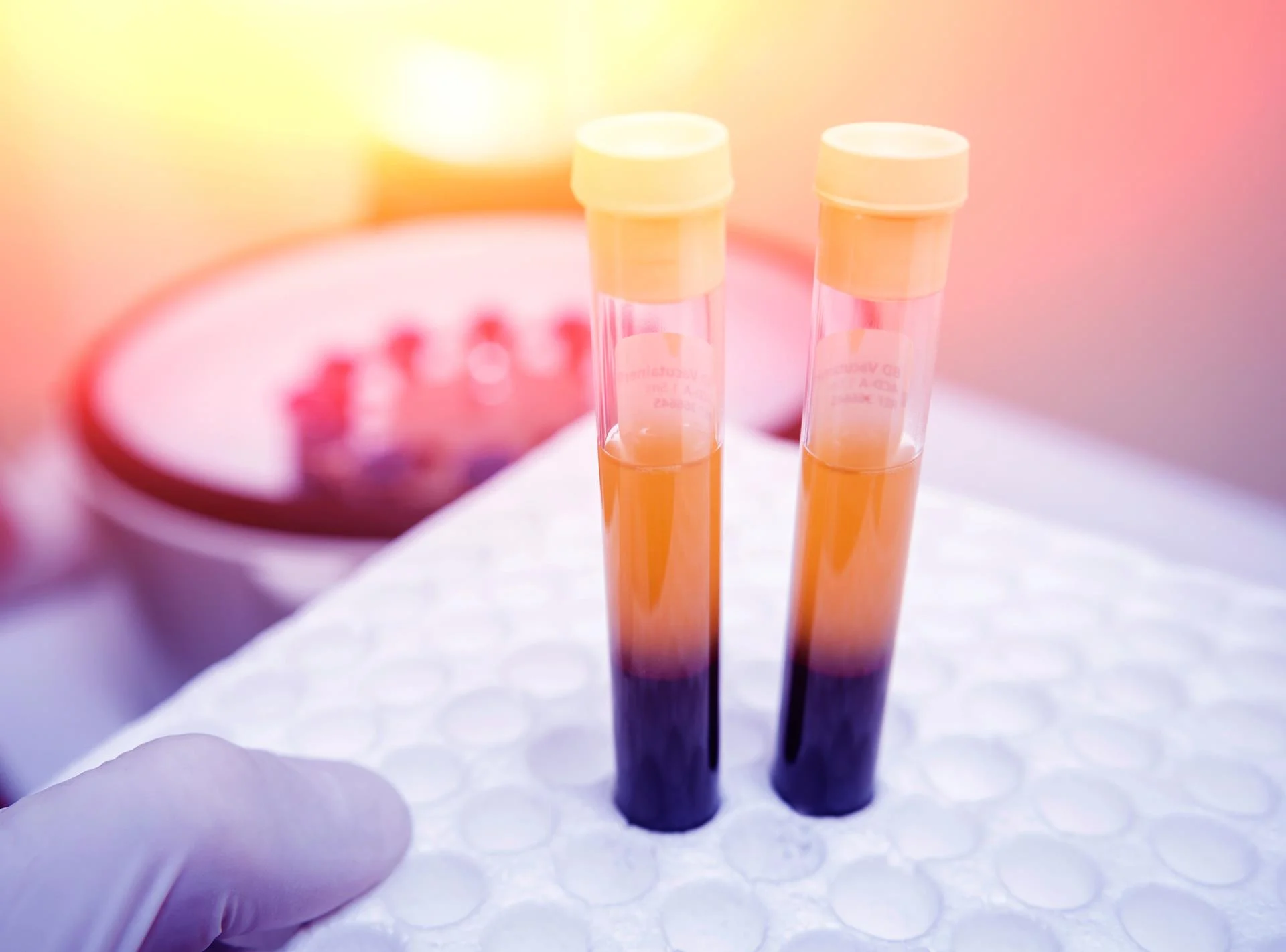
Catching Kidney Changes Before Your Pet Feels Them
Kidney disease is one of the most common health problems in older cats and dogs, and pets often hide it until much of their kidney function is already gone. At United Veterinary Center in Norwalk, CT , we use routine bloodwork, urine testing and imaging to find kidney changes early. Our team then builds a care plan that helps your pet stay comfortable, eat well and enjoy more good years with your family.
Book OnlineWhat Your Pet’s Kidneys Do
The kidneys filter waste from the blood, balance fluids and electrolytes, help control blood pressure and make hormones that support red blood cell production. When the kidneys lose function, waste builds up in the bloodstream. Your pet may then feel nauseated, drink more, lose weight and slow down. Healthy kidneys have a large reserve, so outward signs often don’t show until roughly two-thirds or more of kidney function is lost. This is why screening during wellness exams matters so much.
Chronic Kidney Disease vs. Acute Kidney Injury
Veterinarians separate kidney problems into two main types:
- Chronic kidney disease (CKD): A slow, progressive loss of kidney function over months or years. It is especially common in senior cats, and it also affects many aging dogs.
- Acute kidney injury (AKI): A sudden drop in kidney function, often caused by toxins, infection, dehydration or a urinary blockage. AKI is an emergency and needs care right away.
Signs of Kidney Disease in Dogs and Cats
Watch for these changes, especially in pets seven years and older:
- Drinking more water and urinating more often or in larger amounts
- Accidents in the house or urinating outside the litter box
- Decreased appetite or picky eating
- Weight loss and muscle loss along the spine and hips
- Vomiting, nausea or drooling
- Bad breath with an ammonia-like smell, or mouth ulcers
- Dull, unkempt coat and less grooming in cats
- Lethargy, weakness or hiding
- Pale gums from anemia
Sudden signs such as not urinating, repeated vomiting, collapse or straining in the litter box should be treated as urgent. Call us right away at (203) 957-3375.
Common Causes and Risk Factors
Age is the biggest risk factor for chronic kidney disease. Other contributors include genetics and breed, long-term high blood pressure, chronic infections, kidney stones and untreated dental disease, which can send bacteria and inflammation through the body. Other illnesses, such as diabetes and heartworm disease, can also strain the kidneys. Acute kidney injury is often linked to toxins found in many homes:
- Antifreeze (ethylene glycol), even in small amounts
- Lilies, which are extremely toxic to cats, including the pollen and vase water
- Grapes and raisins in dogs
- Human pain relievers such as ibuprofen and naproxen
- Certain rodent poisons and some medications
How We Diagnose Kidney Disease
Our in-house laboratory services and onsite diagnostics give us fast answers when your pet isn’t feeling well. A kidney workup may include:
- Blood chemistry: BUN, creatinine and SDMA levels to measure how well the kidneys are filtering
- Complete blood count: To check for anemia and infection
- Urinalysis: Urine concentration, protein, crystals and signs of infection
- Blood pressure measurement: High blood pressure both causes and results from kidney disease
- Imaging: Ultrasound and digital X-rays to look at kidney size and shape and to check for stones or blockages
Once we confirm chronic kidney disease, we stage it using guidelines from the International Renal Interest Society (IRIS). Staging helps us match treatment to how far the disease has progressed.
Treatment and Long-Term Management
Chronic kidney disease can’t be reversed, but good management can slow it down and keep your pet feeling well for months to years. Depending on your pet’s stage and symptoms, your plan may include:
- A prescription kidney diet with controlled phosphorus and high-quality protein
- Fluid therapy to fight dehydration, including at-home subcutaneous fluids that we can teach you to give
- Phosphate binders, anti-nausea medication and appetite support
- Medication to control blood pressure and reduce protein loss in the urine
- Treatment for anemia, infection or other related problems
- Rechecks with bloodwork and urine testing to track progress and adjust care
For acute kidney injury, fast treatment is critical. Care may include IV fluids, toxin-specific treatment and close monitoring until kidney values improve.
Protecting Your Pet’s Kidneys
You can’t prevent every case, but you can catch kidney disease early and lower your pet’s risk. Schedule yearly exams, or twice-yearly exams for seniors, with senior bloodwork through our preventative care program. Keep fresh water available at all times. Store antifreeze and medications out of reach, and keep lilies out of any home with cats. Stay on top of dental health, too. Our cat care and dog care teams can recommend a screening schedule that fits your pet’s age and breed. You can also explore other conditions we treat.
Kidney Disease in Pets: Frequently Asked Questions
Is kidney disease more common in cats or dogs?
Both can develop it, but chronic kidney disease is especially common in cats. Many cats over age 10 show some degree of kidney decline. Dogs are also affected, particularly as they age or if they have certain breed tendencies.
Can kidney disease in pets be cured?
Chronic kidney disease can’t be cured, but it can often be managed for a long time with diet, fluids and medication. Some cases of acute kidney injury can improve or resolve with prompt, aggressive treatment.
How long can a pet live with chronic kidney disease?
It depends on the stage at diagnosis and how your pet responds to treatment. Pets diagnosed early and managed well can live comfortably for months to several years. This is why routine screening makes such a difference.
What is SDMA and why does it matter?
SDMA is a blood marker that can rise earlier than creatinine when kidney function begins to decline. It helps us spot kidney disease sooner, while there is more time to slow its progress.
Should I change my pet’s food if they have kidney disease?
A prescription kidney diet is one of the most proven ways to slow chronic kidney disease. Please talk with our veterinarians before switching foods. The right diet depends on your pet’s stage and other health needs.
How often should my senior pet have kidney screening?
We generally recommend bloodwork and a urinalysis at least once a year for senior pets. Pets with diagnosed kidney disease often need rechecks every few months to monitor values and adjust treatment.
What should I do if my pet ate something toxic to the kidneys?
Call us right away at (203) 957-3375. Antifreeze, lilies, grapes, raisins and human pain relievers can cause kidney damage within hours, and early treatment greatly improves the outcome.
Give Your Pet’s Kidneys the Attention They Deserve
Have you noticed your pet drinking more, eating less or losing weight? Is your pet simply due for senior screening? Our team at United Veterinary Center is here to help. Call (203) 957-3375 or request an appointment online. If you’re new to our practice, visit our new clients page to get started.