
Faster Answers When Your Pet Isn’t Feeling Well
When your pet is sick or hurting, you want to know what’s going on quickly. At United Veterinary Center in Norwalk, CT , our onsite diagnostics bring digital radiography, advanced ultrasound, echocardiograms, endoscopy and in-house lab testing under one roof. Our veterinarians can examine your pet, run the right tests and review the results without sending you to another facility. That means less waiting, less stress for your pet and a treatment plan that starts sooner.
Book OnlineWhy Onsite Diagnostics Matter for Your Pet
Pets can’t tell us where it hurts, and many illnesses look alike from the outside. A dog that stops eating could have an upset stomach, a swallowed object or a problem with the liver or kidneys. A cat that hides could be in pain from the teeth, the bladder or the joints. Diagnostic testing lets our team see what’s happening inside the body so we treat the actual cause, not just the symptoms.
Because our diagnostic equipment is in our own hospital, our veterinarians can move from the exam to imaging or bloodwork during the same visit when needed. Results are reviewed by the doctors who know your pet, and we walk you through what we found and what comes next.
Diagnostic Services Available at Our Norwalk Hospital
Advanced Ultrasound
Our veterinarians are widely recognized for their expertise in ultrasound technology and diagnosis. Veterinary ultrasound uses sound waves to create real-time images of the soft tissues and organs, including the liver, spleen, kidneys, bladder, intestines and more. It’s painless, non-invasive and usually doesn’t require general anesthesia.
Abdominal Ultrasound
Abdominal ultrasounds help us look for masses, fluid, stones, blockages and changes in organ size or texture. They’re often used when a pet has vomiting, diarrhea, weight loss or abnormal bloodwork, and they’re helpful for monitoring chronic conditions like kidney disease.
Echocardiograms
An echocardiogram is an ultrasound of the heart. It shows how the heart muscle and valves are working and how blood is moving through the chambers. We may recommend one if we hear a murmur, notice an irregular heartbeat or see signs such as coughing, low energy or trouble breathing. It also helps evaluate complications from heartworm disease.
Endoscopy
Endoscopy uses a small camera to look inside the digestive or respiratory tract. It can help us evaluate chronic vomiting, find foreign objects and collect tissue samples, often without the need for open surgery.
Digital Radiography
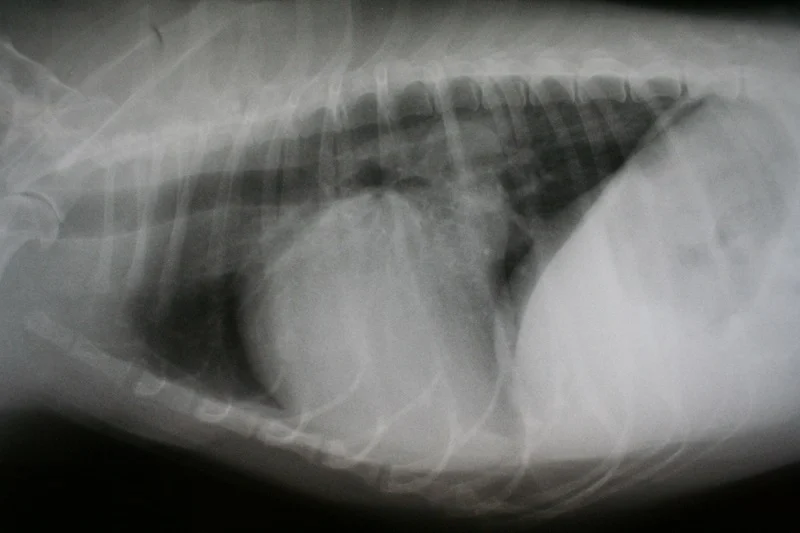
Our state-of-the-art digital X-rays give our doctors clear images within moments, allowing faster and more accurate interpretation than traditional film. X-rays are especially useful for bones, joints, the chest and swallowed objects, and they play a key role in diagnosing injuries such as cruciate ligament tears and arthritis.
In-House Laboratory Testing
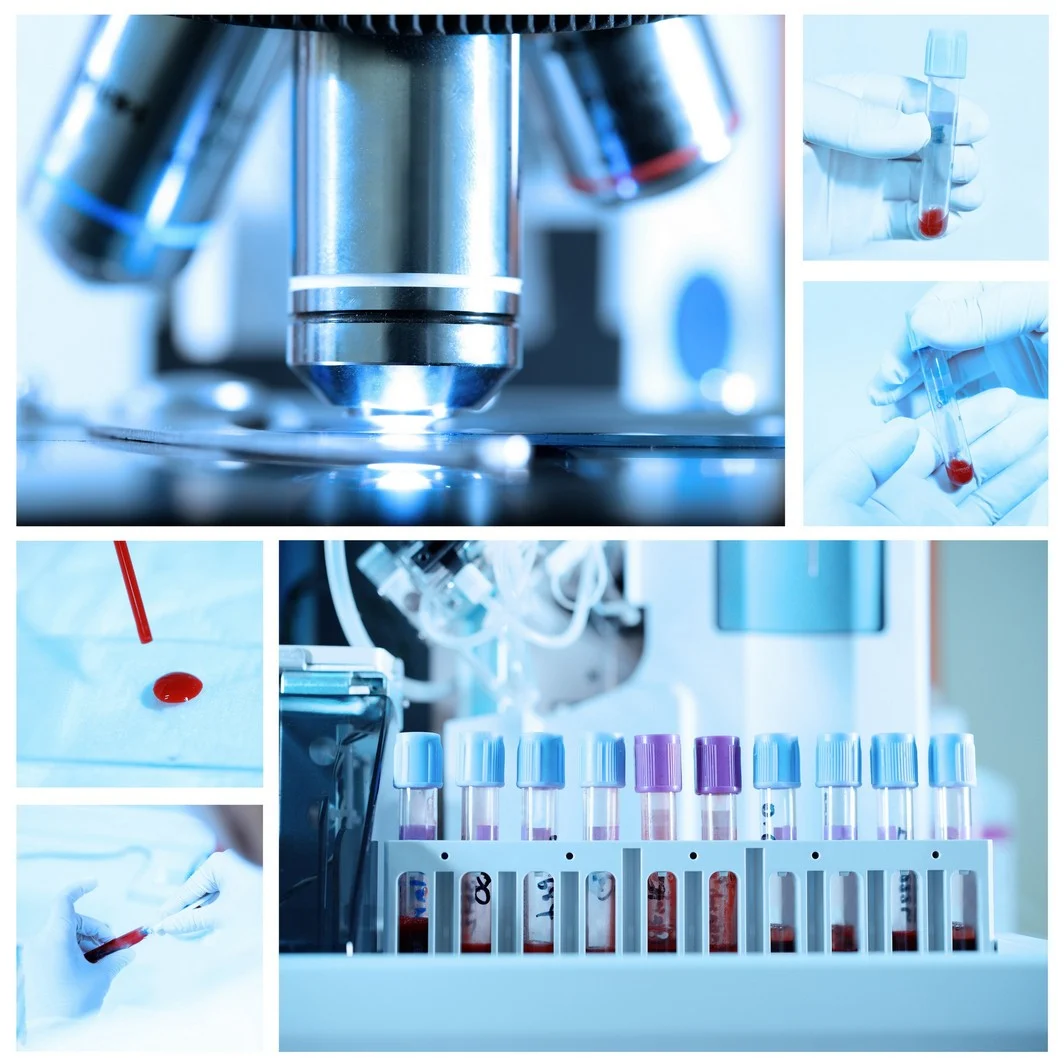
Our laboratory services include blood counts, chemistry panels, urinalysis and other tests that help us check organ function, screen for infection and monitor conditions like diabetes. Bloodwork is also an important safety check before anesthesia for surgery or dental care.
Diagnostics for Every Kind of Pet
We use onsite diagnostics for dogs, cats, and the birds, reptiles and small mammals we see through our avian and exotic animal services and pocket pet care. Our team adjusts each test to your pet’s size, species and comfort level, and we handle every patient gently and calmly.
When We May Recommend Diagnostic Testing
Your veterinarian may suggest diagnostics if your pet shows:
- Vomiting, diarrhea or a sudden change in appetite
- Unexplained weight loss or weight gain
- Limping, stiffness or pain when moving
- Coughing, breathing changes or a heart murmur
- Increased thirst or urination
- Lumps, swelling or a bloated belly
- Signs they may have swallowed something they shouldn’t have
Diagnostics are also part of good preventative care. Baseline bloodwork during wellness exams helps us catch changes early, especially in senior pets, when treatment is often simpler and more effective.
What to Expect at Your Pet’s Visit
Every diagnostic visit starts with a thorough exam and a conversation about your pet’s history and symptoms. Based on what we find, our veterinarian will explain which tests make sense and why. Some tests, like X-rays and ultrasound, may require your pet to stay still for a short time, and a few pets do best with light sedation. If fasting is needed beforehand, we’ll let you know when you book. Once results are in, we review them with you and build a treatment plan together.
If you’re new to our hospital, our new clients page explains how to get started and what to bring to your first appointment.
Onsite Diagnostics FAQs
What diagnostic services do you offer onsite?
Our Norwalk hospital offers digital radiography, abdominal ultrasound, echocardiograms, endoscopy and in-house laboratory testing, so most diagnostic work can be done without referring your pet elsewhere.
Will my pet need to be sedated for diagnostic imaging?
Many pets don’t need sedation for X-rays or ultrasound. Anxious or painful pets, or those that need to hold a specific position, may benefit from light sedation. Your veterinarian will discuss this with you beforehand.
Does my pet need to fast before an ultrasound or bloodwork?
Some tests, including abdominal ultrasounds and certain blood panels, give the clearest results when your pet has fasted. We’ll give you specific instructions when you schedule the appointment.
How soon will I get my pet’s results?
Because our digital X-rays, ultrasound and lab equipment are onsite, many results are available during or shortly after your visit. Some specialized tests take longer, and we’ll let you know when to expect them.
What is the difference between an X-ray and an ultrasound?
X-rays are best for bones, joints, the chest and many foreign objects. Ultrasound shows soft tissue and organs in real time, including the heart, liver, kidneys and intestines. We often use both to get a complete picture.
Are diagnostic tests safe for my pet?
Yes. Ultrasound uses sound waves with no radiation, and our digital X-rays use very low radiation doses. Our team follows careful safety protocols and keeps your pet comfortable throughout.
Do you perform diagnostics on exotic pets?
Yes. We provide diagnostic imaging and lab testing for birds, reptiles and small mammals in addition to dogs and cats, adapting each procedure to the patient’s species and size.
Get Clear Answers About Your Pet’s Health
If something seems off with your dog, cat or exotic pet, don’t wait and wonder. Call United Veterinary Center at (203) 957-3375 or request an appointment online, and our team will help you find out what’s going on and how to help.